Angkor Centre for Conservation of Biodiversity
Angkor Centre for Conservation of Biodiversity
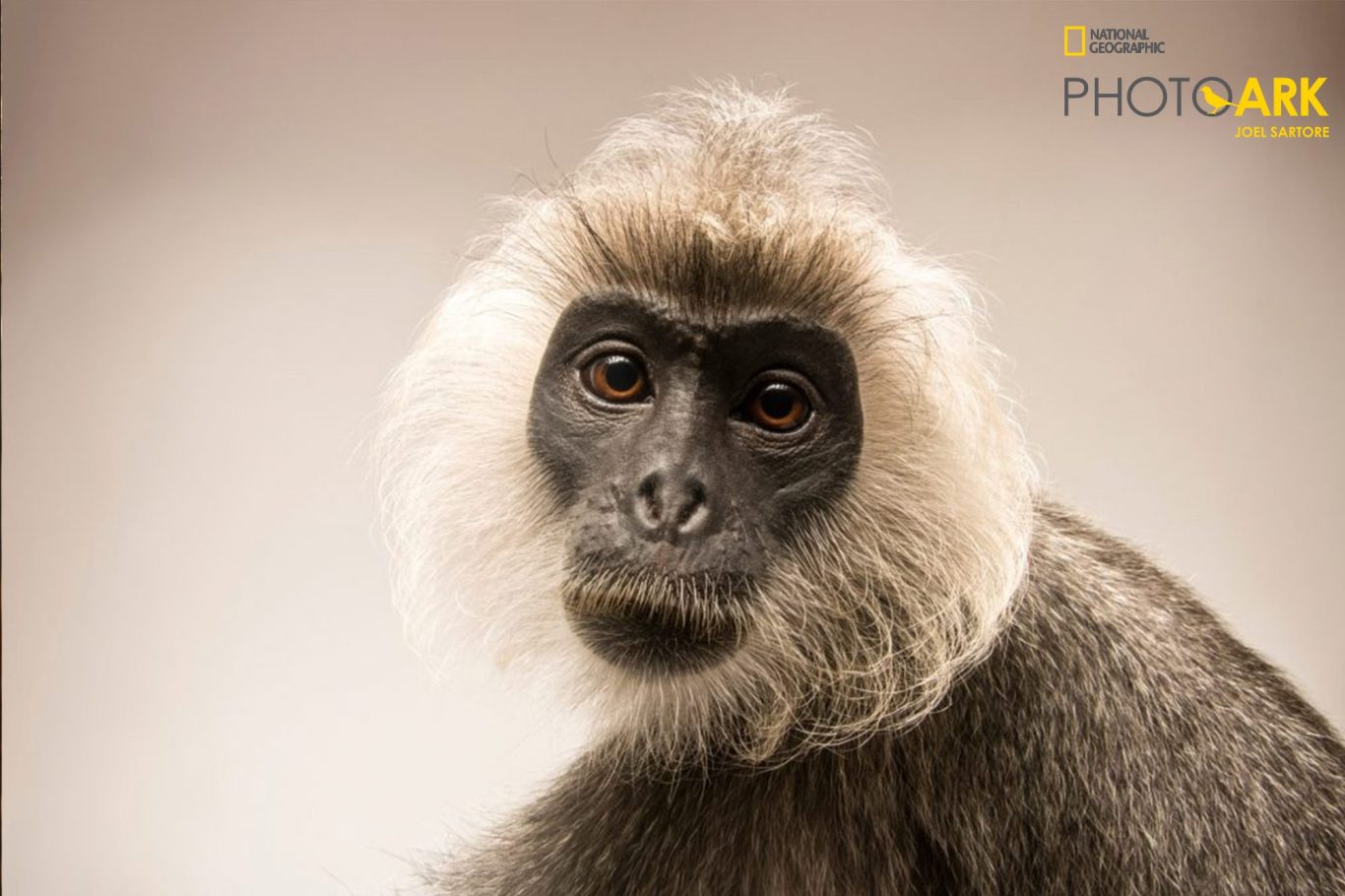
The Indochinese silvered Langur (Trachypithecus germaini) plays a regrettable and critical role in the illegal wildlife trade across Southeast Asia, leading to its current classification by the IUCN as Endangered (EN).
The Indochinese silvered Langur (Trachypithecus germaini) plays a regrettable and critical role in the illegal wildlife trade across Southeast Asia, which is the primary reason for its classification by the IUCN as Endangered (EN). The animal is highly sought after, particularly in the pet trade, where infants are valued for their aesthetic appeal. These young Langurs are frequently removed from the wild, an act that typically involves the tragic killing of their protective mothers. Due to the Langurs' highly specialized diet as folivores (leaf-eaters), the majority of these primates succumb quickly in private, inadequate care, which in turn fuels a continuous demand for replacement animals, intensifying the pressure on wild populations. Beyond the pet trade, Langurs are also targeted for use in Traditional Chinese Medicine (TCM), where their bones and flesh are boiled to create medicinal extracts believed to have healing properties. Furthermore, they are hunted for bushmeat, particularly in remote regions. This combination of factors has a devastating effect on the species, as their slow reproductive rate cannot compensate for the high mortality rate caused by the trade. Consequently, rescue centers like the ACCB are vital for saving and rehabilitating these primates that fall victim to the illegal wildlife trade.
The Angkor Centre for Conservation of Biodiversity (ACCB) plays a crucial role as a frontline institution for the rescue and care of primates, including the endangered Indochinese silvered Langur (Trachypithecus germaini), confiscated from the illegal wildlife trade. As Langurs are highly targeted for the pet trade (especially as infants after their mothers are killed) and for traditional medicine, the ACCB serves as a vital official reception and rehabilitation center for these confiscated animals.
Upon arrival, these primates, often suffering from severe trauma, injuries, or malnutrition, receive immediate veterinary care and are placed under quarantine. The primary goal of the ACCB's rehabilitation program is to restore the Langurs' natural behaviors and wean them off human dependence, preparing them for a potential return to the wild.
For individuals that are too severely injured or human-habituated to be safely released, the ACCB provides long-term sanctuary and specialized care. In this way, the center directly mitigates the devastating impact of the illegal trade, offering a second chance to Langurs and contributing directly to the survival of this critically threatened species in Cambodia.
Wir benötigen Ihre Zustimmung zum Laden der Übersetzungen
Wir nutzen einen Drittanbieter-Service, um den Inhalt der Website zu übersetzen, der möglicherweise Daten über Ihre Aktivitäten sammelt. Bitte überprüfen Sie die Details in der Datenschutzerklärung und akzeptieren Sie den Dienst, um die Übersetzungen zu sehen.