Angkor Centre for Conservation of Biodiversity
Angkor Centre for Conservation of Biodiversity
Releasing animals into the wild to improve one's karma? It’s a beautiful idea, but it also allows the illegal wildlife trade to flourish. Before an animal can be released, it must first be caught or bred on a wildlife farm. That's why it’s so important that people understand this is the wrong approach—even if the motivation to release them is a noble one.
They say the ways of the Lord are inscrutable. But whether it's a man or woman, being a "good" believer can sometimes lead to strange situations. This is also true in Buddhism. A well-intentioned gesture here contributes to a thriving, illegal wildlife trade.
In the hope of positively impacting their karma, people in Cambodia, for example, release animals into the wild. These are not injured and recovered or rescued animals, but rather purchased specimens that were specifically captured for this purpose. This has created a veritable wildlife market solely focused on selling animals to believers—only to be recaptured and resold later.
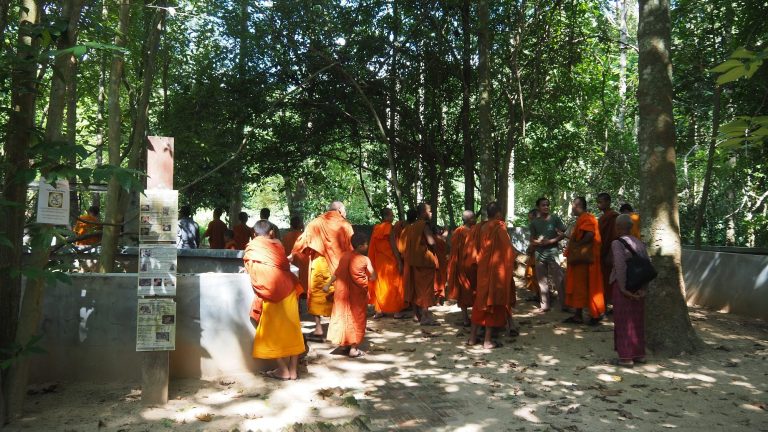
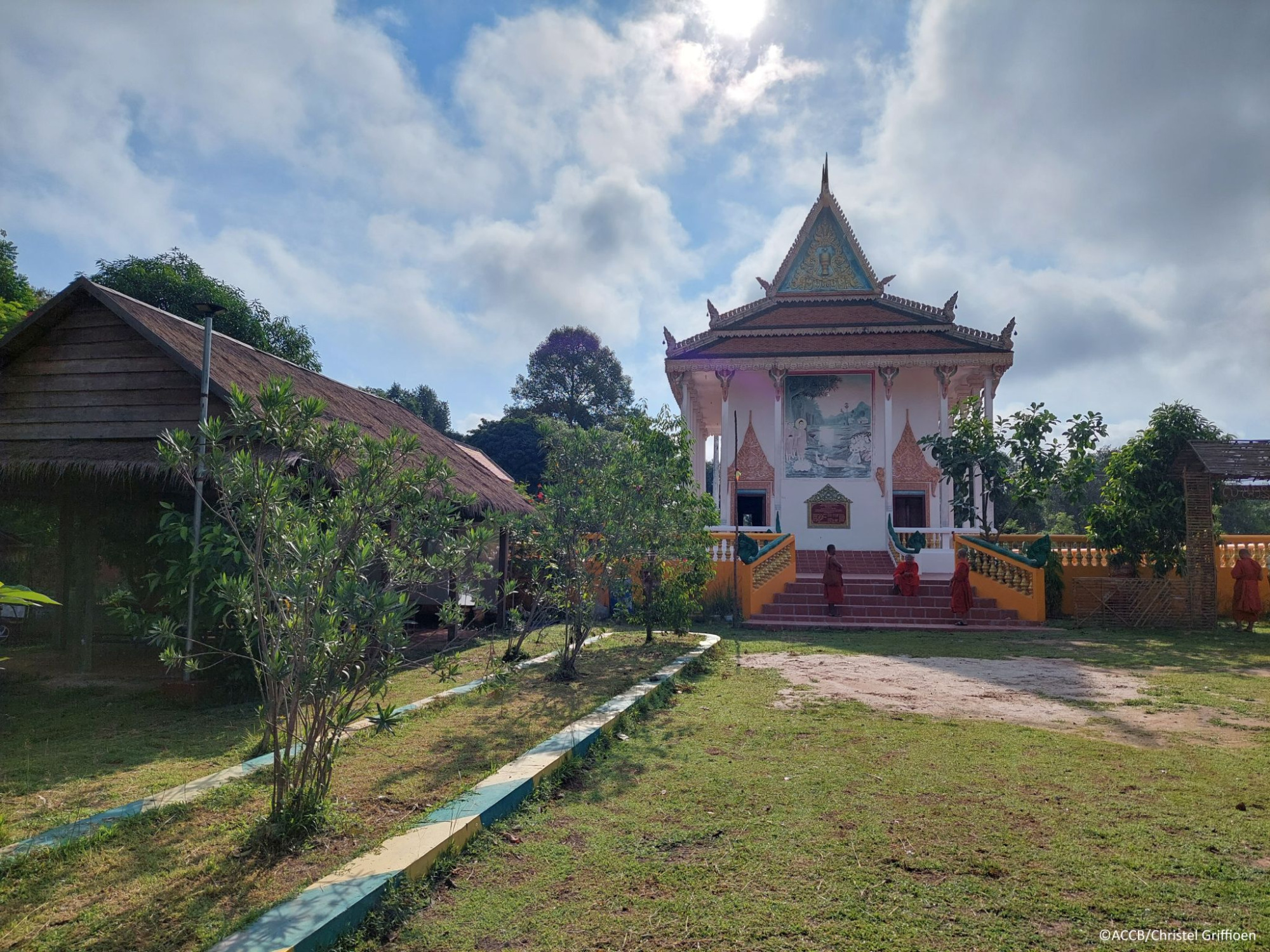
The fact that illegally traded wild animals are bought and donated to Buddhist monasteries promotes poaching in the Asian country. But that isn't the only challenge. Additionally, a number of monasteries, out of ignorance, still permanently keep these animals in conditions that are not species-appropriate. This was the initial spark for the collaboration between an international NGO and the Angkor Centre for Conservation of Biodiversity (ACCB).
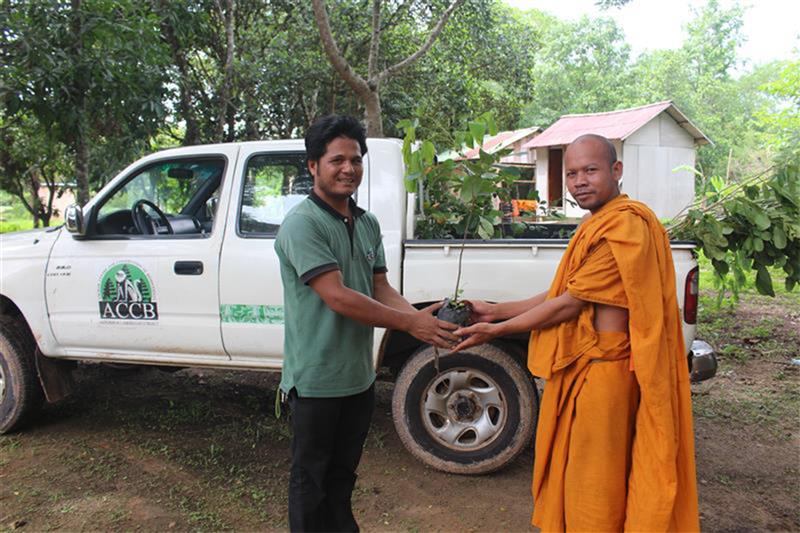
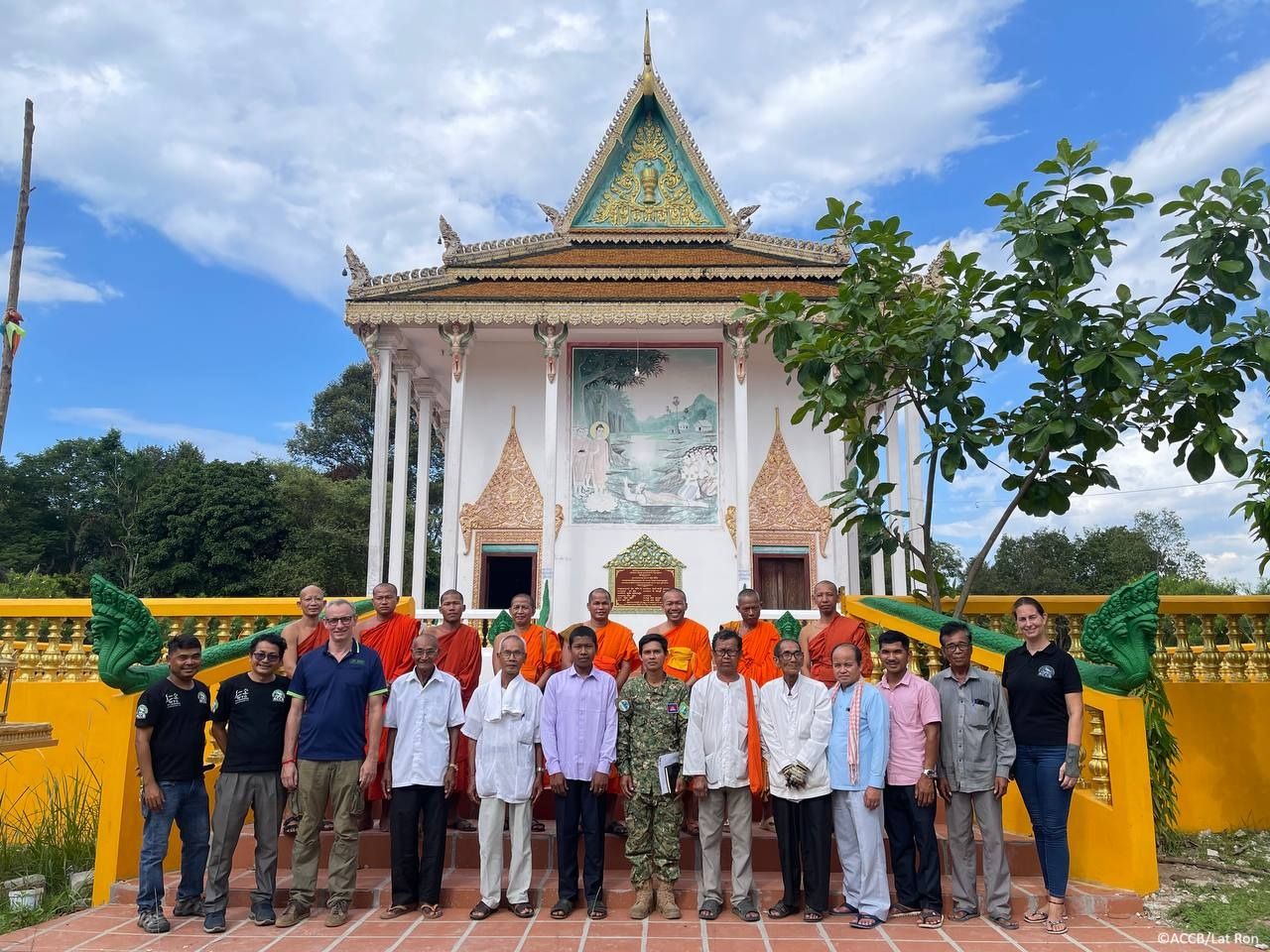
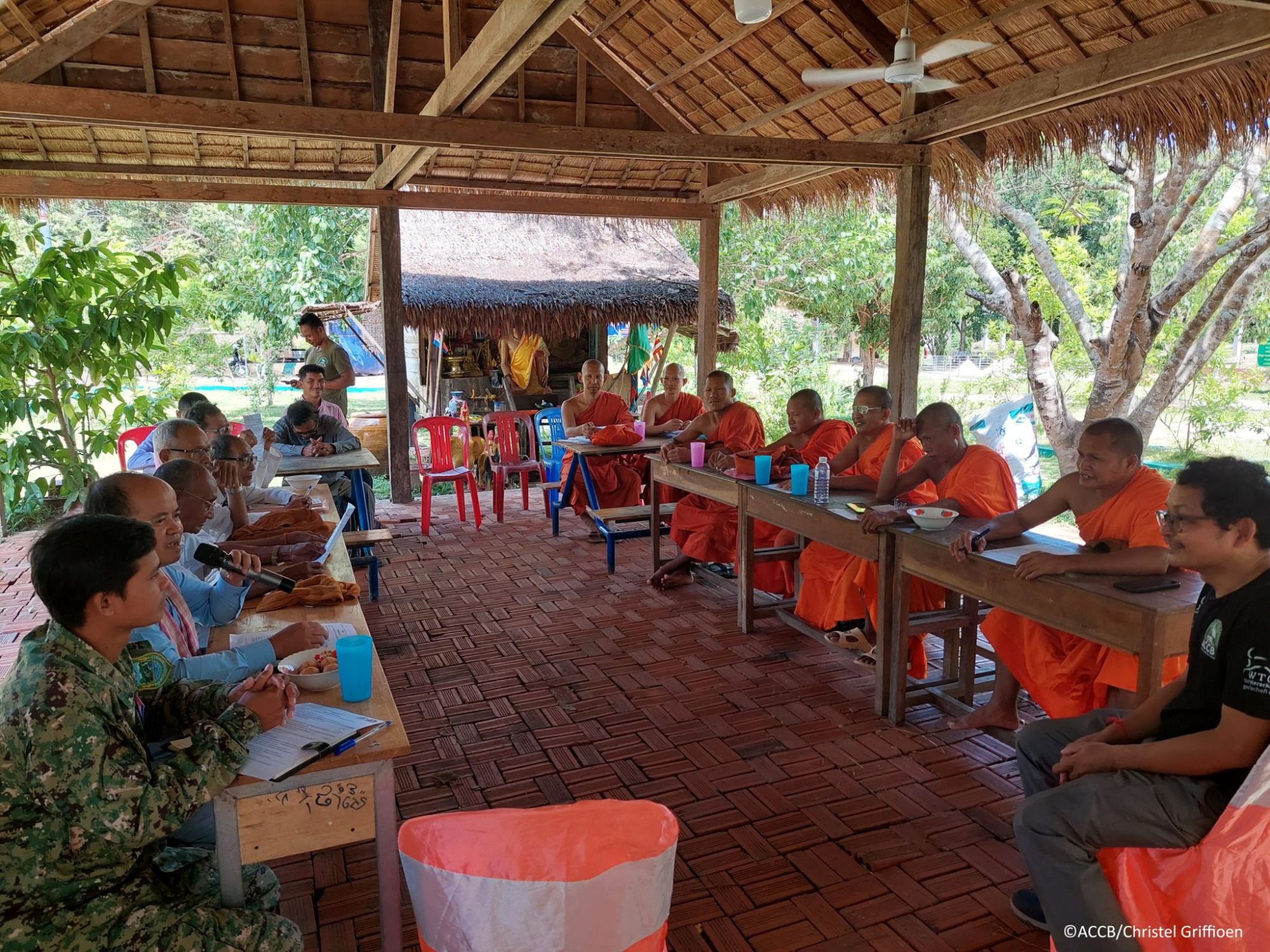
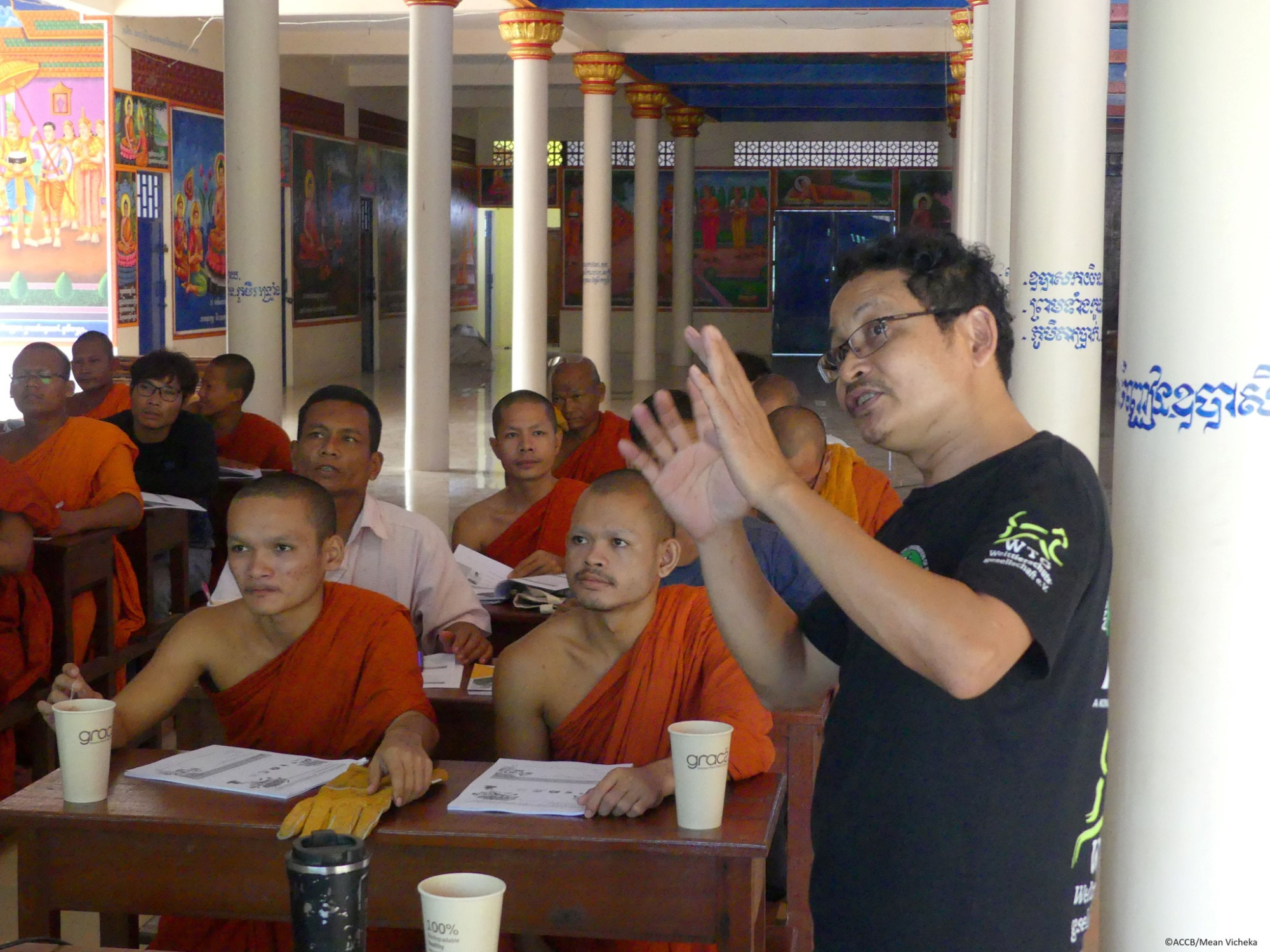
Together with the ACCB and the German animal welfare NGO Welttierschutzgesellschaft (WTG), a textbook for Buddhist monks was developed. The goal is to train the monks as animal welfare ambassadors. As multipliers, they will then support conservationists in strengthening wildlife protection in Cambodia.
A Lack of Knowledge
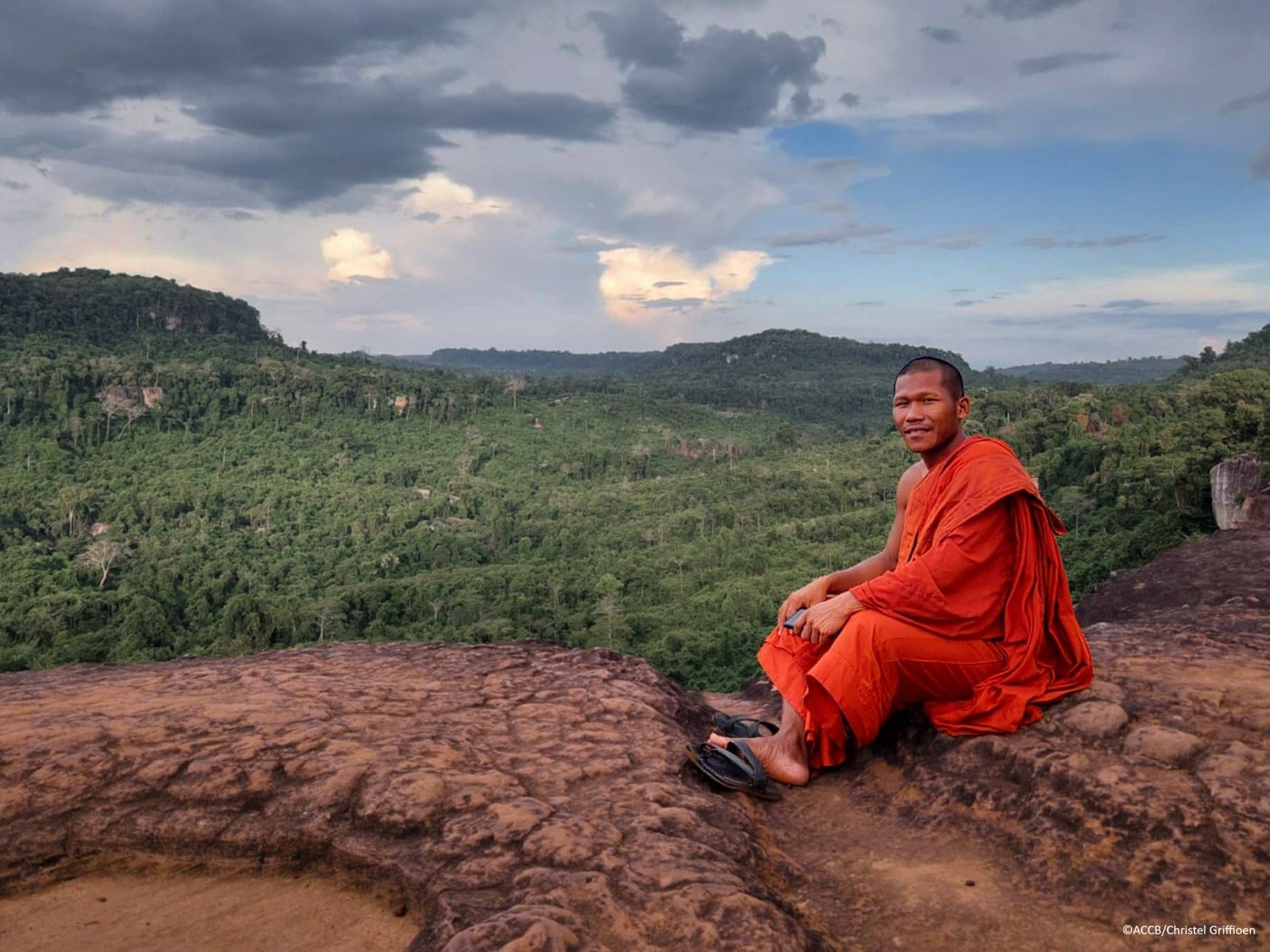
The fact that the ACCB and the WTG are working through religious leaders to reach the population has a good reason. Buddhist monks enjoy high prestige in Cambodia, giving them great influence in society and enabling them to put an end to this tradition that causes so much animal suffering.
However, the monks' knowledge of the various wild animals native to Cambodia is very limited. Among other reasons, it simply isn’t part of their training. As a result, in many cases, the religious leaders don't even know what kind of animal they have in front of them. This also means that they often cannot identify the donated animals, cannot perform first-aid, and are unable to keep them in a species-appropriate manner. They also lack knowledge of existing laws and regulations in the wildlife sector and about the protection of wild animals.
An Animal Welfare Textbook for Monks
Research by the organizations found that there is a lack of even the most basic things. The absence of suitable teaching materials prevented the inclusion of animal welfare topics in monk training for a long time. Therefore, WTG and ACCB, along with some monks, developed a textbook for Buddhist monasteries in the Khmer language, Cambodia's official language, and had 250 copies printed as the first step. These were then presented in monasteries, at Buddhist universities, and to local government representatives.
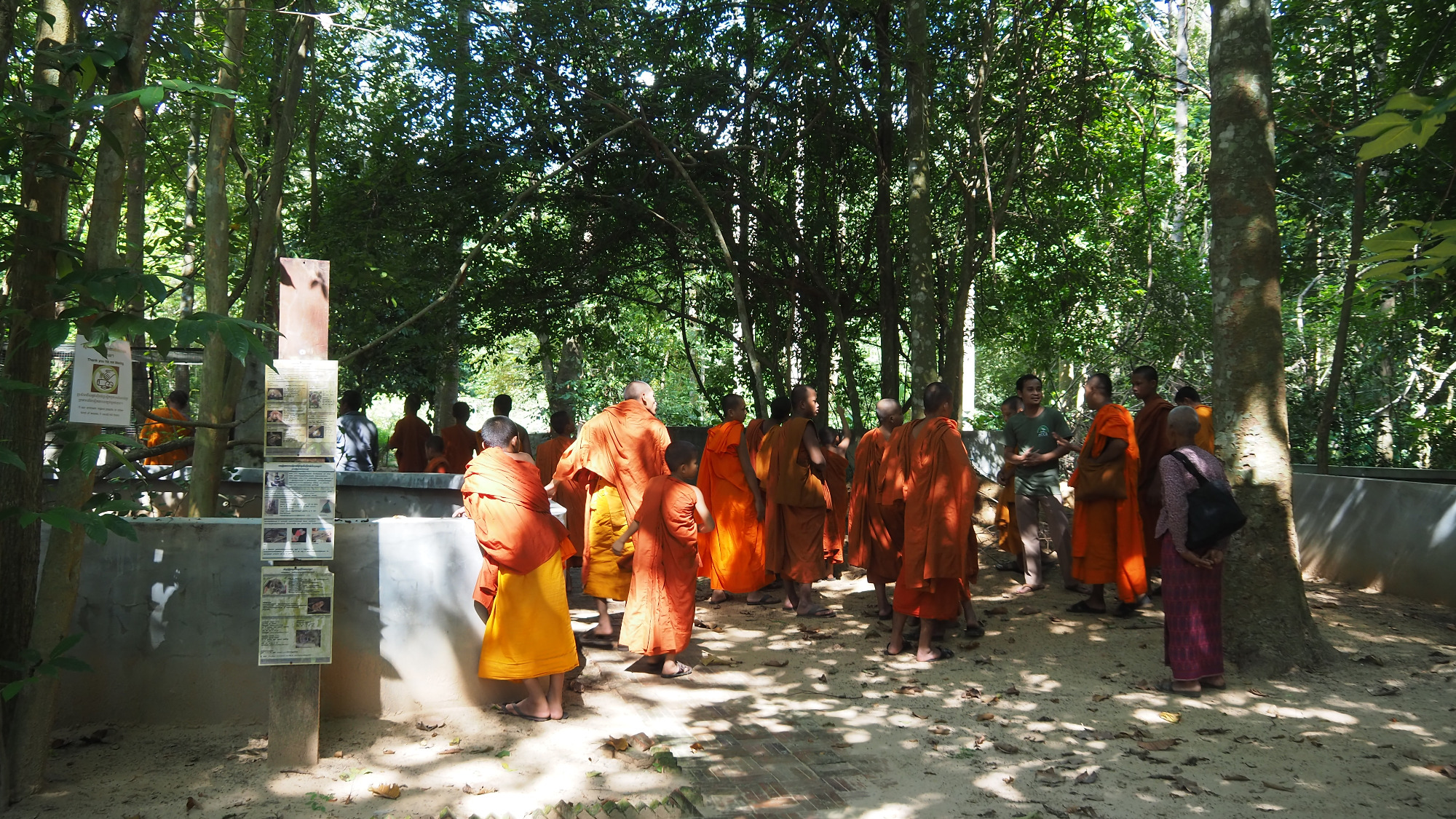
The approval of the local government was a prerequisite for the official use of the educational materials in the monasteries. The use of the book was then tested with monks from the area near the conservation center. In the current project phase, these books are gradually being distributed to several monasteries in the Siem Reap province and beyond. Monasteries that keep wild animals are specifically targeted, with the goal that they hand over the animals to professional care, for example, to the ACCB.
Every contribution, no matter the size, helps protect unique wildlife and its habitats for generations to come.
Early acceptance for the project
The completely new textbook thus forms the basis for future animal welfare education programs for monks. It remains in the respective monasteries for self-study and thus reaches many monks over a long period of time. The work explains the connections between the practice of donating animals and the suffering of these wild animals. Furthermore, it gives the monks arguments to create awareness among believers for more animal welfare and to end this Buddhist tradition in the long run. A corresponding pilot phase began in 2022. It initially focused on a few temples near the ACCB. The goal with the monks there is to find out how to best sensitize people to topics such as species and animal protection without limiting their faith.
The fact that the monks and everyone else on-site are generally open to the topic and show interest became clear in 2014 when the ACCB conducted an animal welfare training for monks—the first of its kind in Cambodia. The number of participants far exceeded expectations. More than 700 monks from over 30 monasteries took part. The feedback was consistently positive, and there were numerous requests for additional training of this kind.
Improvement of Veterinary Equipment at the Conservation Center
For many years, the ACCB has been operating a wildlife conservation center near the Angkor Wat temple complex, whose work the World Animal Protection Society has supported since 2013. Wild animals of all kinds are nursed back to health here and prepared for reintroduction into the wild. Many animals arrive at the center with injuries or illnesses. If their health condition does not allow for a life in freedom again, they can also be permanently housed here.
Since there are very few veterinary facilities in Cambodia, the conservation center must perform many examinations itself and therefore needs solid veterinary equipment. The ACCB team is supported by the World Animal Protection Society, among others. This enables the purchase of new medical instruments, rapid disease tests, and cooling facilities for medications.
Wir benötigen Ihre Zustimmung zum Laden der Übersetzungen
Wir nutzen einen Drittanbieter-Service, um den Inhalt der Website zu übersetzen, der möglicherweise Daten über Ihre Aktivitäten sammelt. Bitte überprüfen Sie die Details in der Datenschutzerklärung und akzeptieren Sie den Dienst, um die Übersetzungen zu sehen.