Angkor Centre for Conservation of Biodiversity
Angkor Centre for Conservation of Biodiversity
The ACCB plays a very important role in the husbandry and care of otters (fish otters) in Cambodia, as these animals are heavily affected by the illegal wildlife trade. Because otters, particularly the Asian Small-clawed Otter (Aonyx cinereus) and the Smooth-coated Otter (Lutrogale perspicillata), are extremely popular in Asia due to their cute appearance on social media, they are often traded as illegal pets. Many otters die during transport or in private captivity due to improper care.

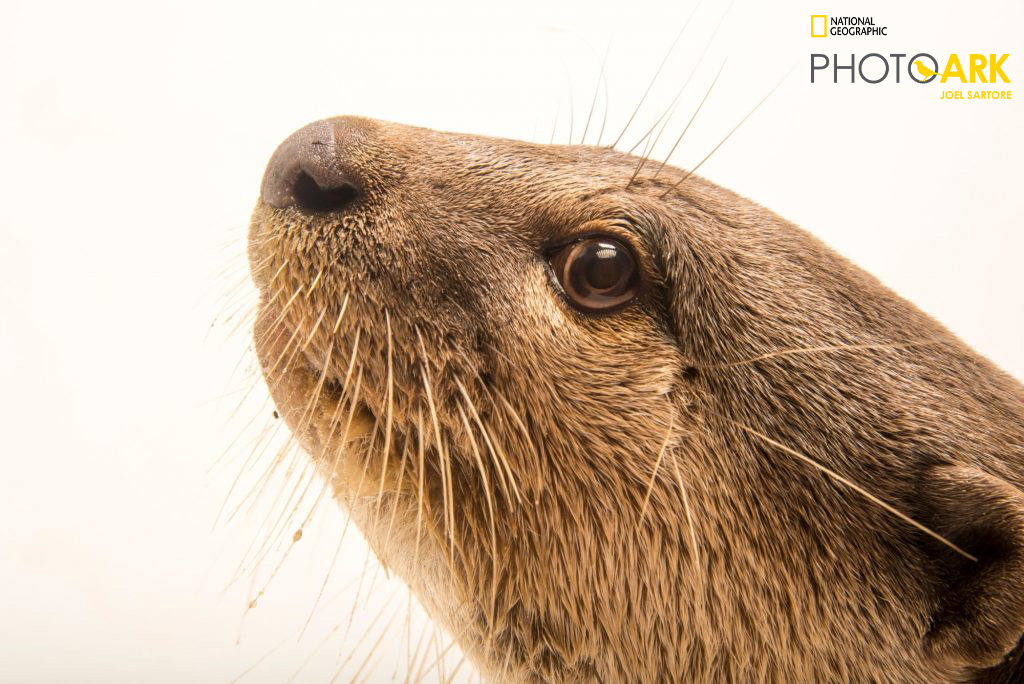
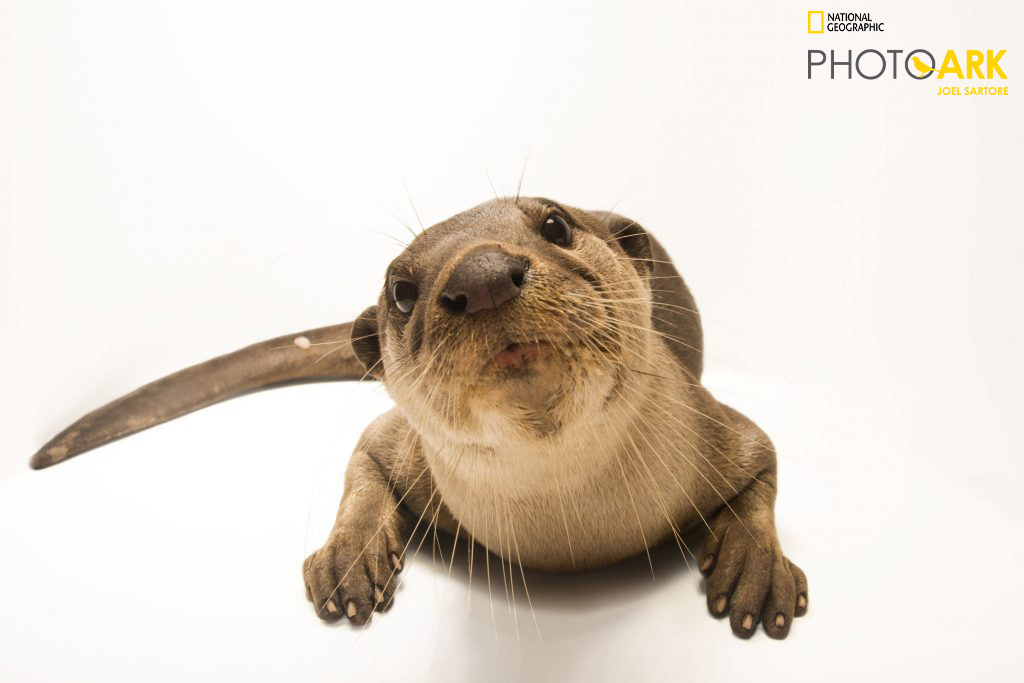
Currently, three Smooth-coated Otters live at the ACCB. All three share the fact that they originated from confiscations because they were illegally kept as pets. This is a significant problem, not just in Cambodia. Their playful nature, appearance, and small size supposedly make them a perfect pet—much to their detriment. Water pollution is also a major problem for otter populations in Southeast Asia. Besides chemical wastewater from industrial plants, it is primarily plastic waste that makes the waters increasingly hostile to life, not only for the otters but especially for their prey.
Rescue and Sanctuary: The ACCB serves as one of the central rescue centres in Cambodia for animals confiscated by authorities from the illegal wildlife trade. Many of these animals are otters. The Khmer Times, for example, reported that the ACCB cares for smooth-coated otters being rehabilitated at the centre.
Medical Care and Rehabilitation: Otters that are rescued are often traumatized, dehydrated, and malnourished. They require immediate intensive veterinary care. The captive management at the ACCB focuses on stabilizing and rehabilitating these animals, as they are wild animals with complex social and nutritional needs.
Demanding Husbandry: The species-appropriate keeping of otters requires spacious enclosures with plenty of room for movement and, crucially, a clean water area, as they are semi-aquatic animals and need to swim daily. Their diet is demanding, as they require a high proportion of their body weight in fresh prey daily. The ACCB must meet these high standards of husbandry to ensure the survival chances of the rescued animals.
Goal of Release: As with most rescued animals, the ACCB's ultimate goal is the reintroduction of the otters into protected areas, provided their condition and imprinting allow it.
The ACCB's work with otters is thus directly linked to the fight against the illegal wildlife trade, which is pushing these species to the brink of extinction.
However, there are other threats to the otter: Deforestation, damming of rivers, and water pollution increasingly restrict the habitat of the Smooth-coated Otter. In some regions, they have already become rare or extinct, and overall, the species is classified as threatened on the IUCN Red List. Since the latest assessment is from 2020, experts assume that the current threat status has worsened.
Wir benötigen Ihre Zustimmung zum Laden der Übersetzungen
Wir nutzen einen Drittanbieter-Service, um den Inhalt der Website zu übersetzen, der möglicherweise Daten über Ihre Aktivitäten sammelt. Bitte überprüfen Sie die Details in der Datenschutzerklärung und akzeptieren Sie den Dienst, um die Übersetzungen zu sehen.