Angkor Centre for Conservation of Biodiversity
Angkor Centre for Conservation of Biodiversity
Lesser adjutant
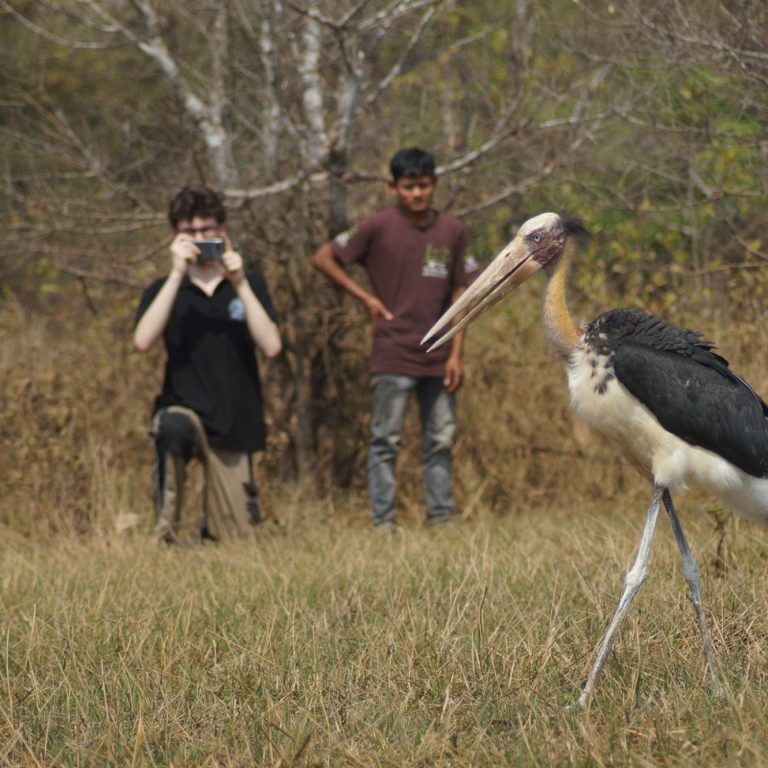
The lesser adjutant (Leptoptilos javanicus) is a large wading bird in the stork family Ciconiidae. Like other members of its genus, it has a bare neck and head. It is however more closely associated with wetland habitats where it is solitary and is less likely to scavenge than the related greater adjutant. It is a widespread species found from India through Southeast Asia.
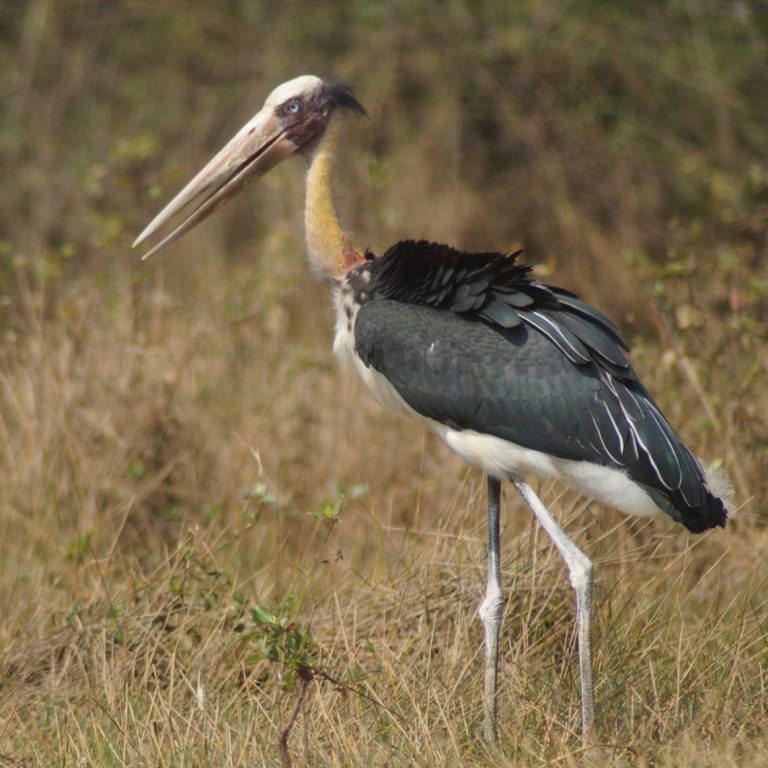
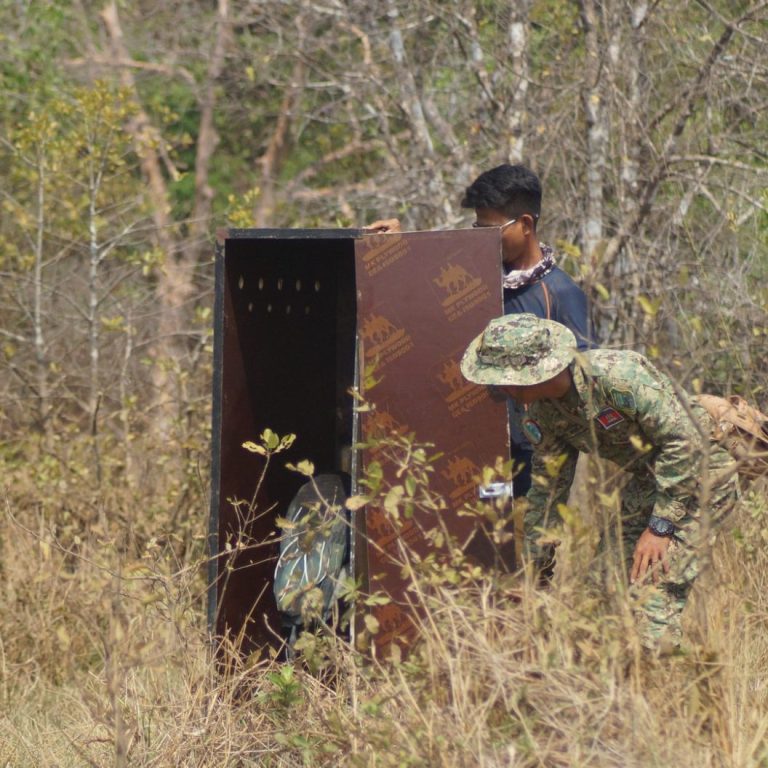
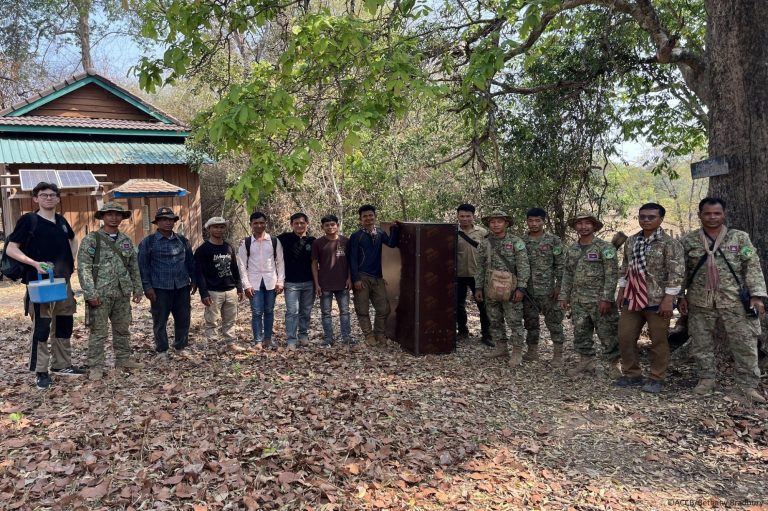
In March 2024, the Angkor Centre for Conservation of Biodiversity (ACCB) successfully released an adult Lesser Adjutant back into its natural habitat. This achievement was made possible through close and trusted collaboration with the Preah Vihear Provincial Department of Environment (PDoE) and the Wildlife Conservation Society (WCS) in Cambodia.
The Lesser Adjutant (Leptoptilos javanicus)—also known as the Sunda Adjutant, Malay Stork, or Java Marabou—is a South and Southeast Asian stork species. Despite its wide but fragmented range, populations are generally small and declining, leading the IUCN to classify the species as Vulnerable.
The individual released in March was first confiscated from the illegal pet trade in 2019, where it had been kept as a chick. Over the course of its rehabilitation at the ACCB, the bird gradually regained natural behaviors and responded well to care and rewilding efforts. As a result, the ACCB team became confident in its ability to survive independently in the wild.
The species was recently downlisted to “Vulnerable” on the IUCN Red List of Threatened Species—a positive development reflecting the impact of conservation measures implemented by government authorities, environmental NGOs, and wildlife rescue centers such as the ACCB across its range.
While this improved status offers hope, the Lesser Adjutant remains highly vulnerable to ongoing threats. For this reason, the ACCB team continues its commitment to protecting this species and many others that depend on coordinated conservation efforts for their survival.
Support us
Help the Angkor Centre for Conservation of Biodiversity (ACCB) protect Cambodia's endangered wildlife. Your donation can save unique and rare animals like the Sarus Crane and the Bengal Slow Loris from extinction.
The ACCB is a crucial rehabilitation and conservation center. They provide medical care, create safe habitats, and work with local communities to prevent illegal wildlife trade. Every contribution, no matter how small, directly supports their efforts to give these animals a second chance at life.
Your generosity will make a tangible difference in the fight to preserve Cambodia's rich biodiversity. Please consider donating today to secure a future for these incredible creatures.
Wir benötigen Ihre Zustimmung zum Laden der Übersetzungen
Wir nutzen einen Drittanbieter-Service, um den Inhalt der Website zu übersetzen, der möglicherweise Daten über Ihre Aktivitäten sammelt. Bitte überprüfen Sie die Details in der Datenschutzerklärung und akzeptieren Sie den Dienst, um die Übersetzungen zu sehen.